




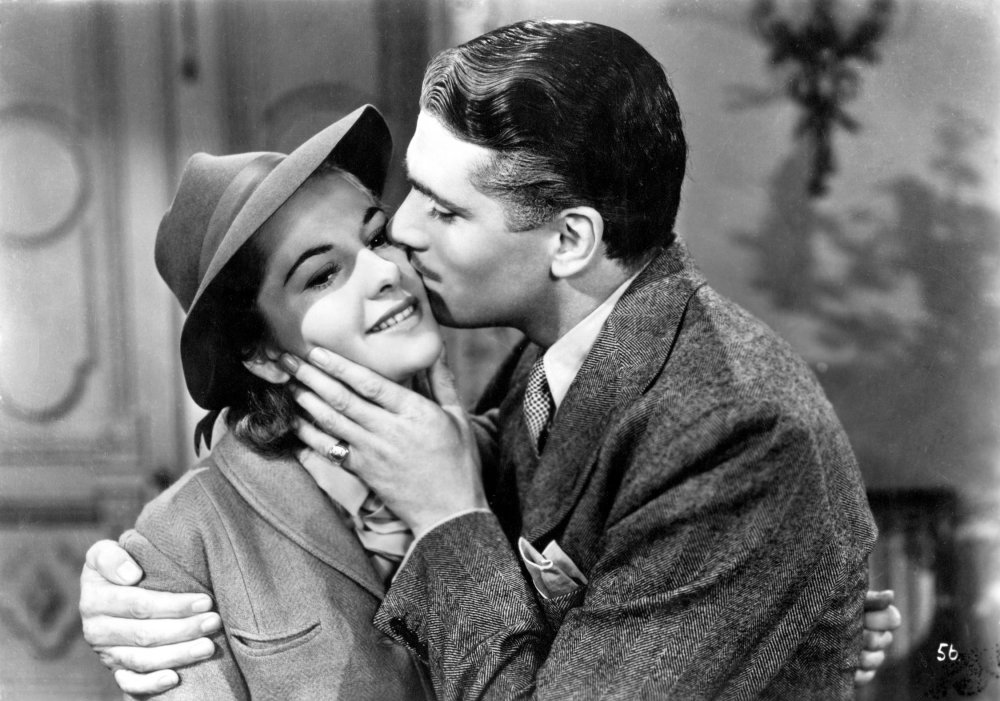
Before I turned the first page of Rebecca, I believed I knew the story. I imagined a tale haunted by a restless ex-wife, a shadowy ghost lingering through the halls of Manderley, much like the tragic figures of Mrs. Lunthom (คุณนายลั่นทม) in Tomb Watcher (สุสานคนเป็น.) I thought the name Rebecca belonged to a spectral presence, a woman whose very memory could chill the living.

Yet, as I read on, I discovered my assumptions were but illusions. There is no ghost here—only human hearts, flawed and fragile, entangled in secrets and quiet power. Rebecca, though absent in life, lives more vividly than any character present. Her laughter, her charm, her cruelty, and her cunning echo through the corridors, shaping the minds and fears of those who remain.
It is a story of subtle tyranny, of envy and insecurity, where the past does not rest quietly, but rules the present with an invisible hand. The tension does not come from the supernatural, but from the quiet cruelty of memory and reputation, from the delicate interplay of human pride and fear. The novel surprises, unsettles, and enthralls, not with phantoms, but with the very real shadows we cast upon each other.
In the end, Rebecca is a revelation. It is a tale of human psychology dressed in the trappings of a gothic mansion, a story in which absence wields more power than presence. I closed the book with the realization that the greatest mystery lies not in spirits, but in the hearts of the living.
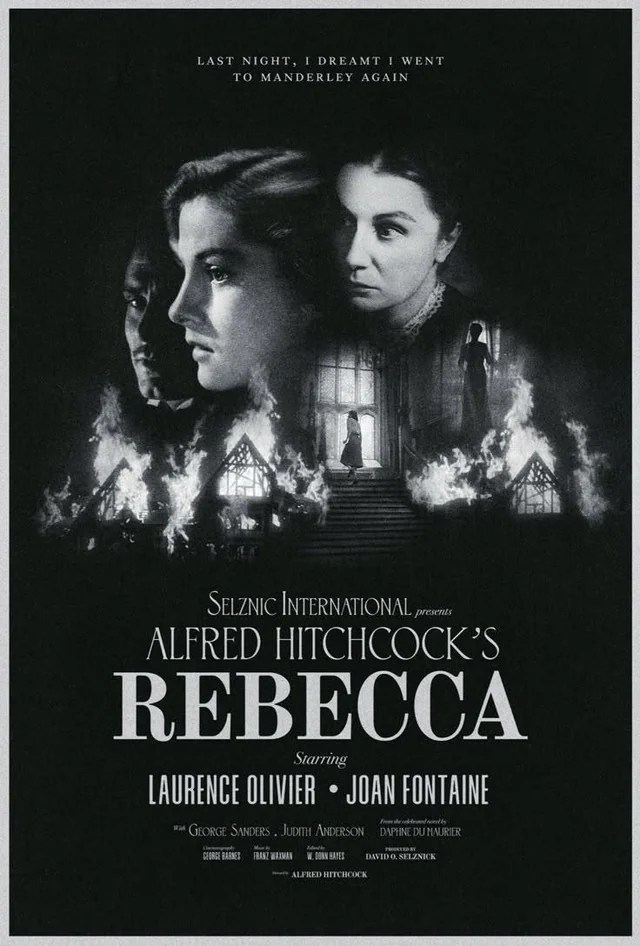
Happiness is a state of mind, not a material possession.
Daphne Du Maurier
 Sapphailin in Wonderland
ใส่ความเห็น